
Science News
This year’s El Niño just broke a record months before it’s expected to peak
Daily sea surface temperatures in the region where El Niño develops are more extreme than at any point in recorded history.
Latest science news, discoveries and scientific developments.
Daily sea surface temperatures in the region where El Niño develops are more extreme than at any point in recorded history.

The actor urges us to work with nature, not against it, in new documentary How to Live on Earth. Let's hope it can make a real difference, says Alec Luhn

A patch that measures levels of two reproductive hormones in sweat has shown promise for predicting ovulation in a small study

Can a six-dimensional sphere be described using imaginary numbers? For decades, experts puzzled over this question. Now an AI has apparently answered it
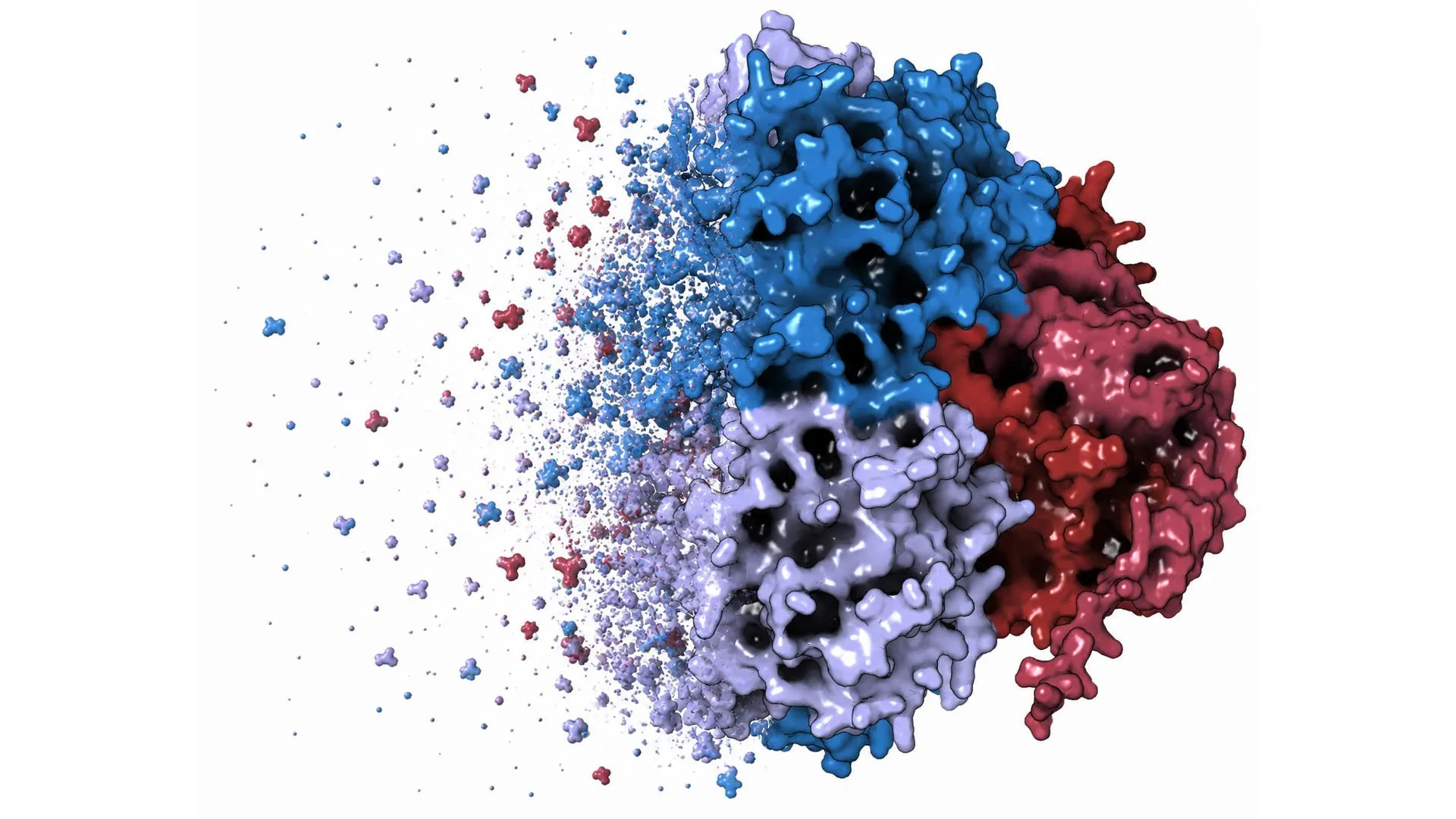
A 70-year-old leukemia drug is still revealing new secrets. Researchers found that removing a protein called NUDT5 protected cells from the drug, even though simply blocking the protein had little effect. The unexpected result points to a hidden cellular role that could help explain why people respond differently to certain leukemia treatments.
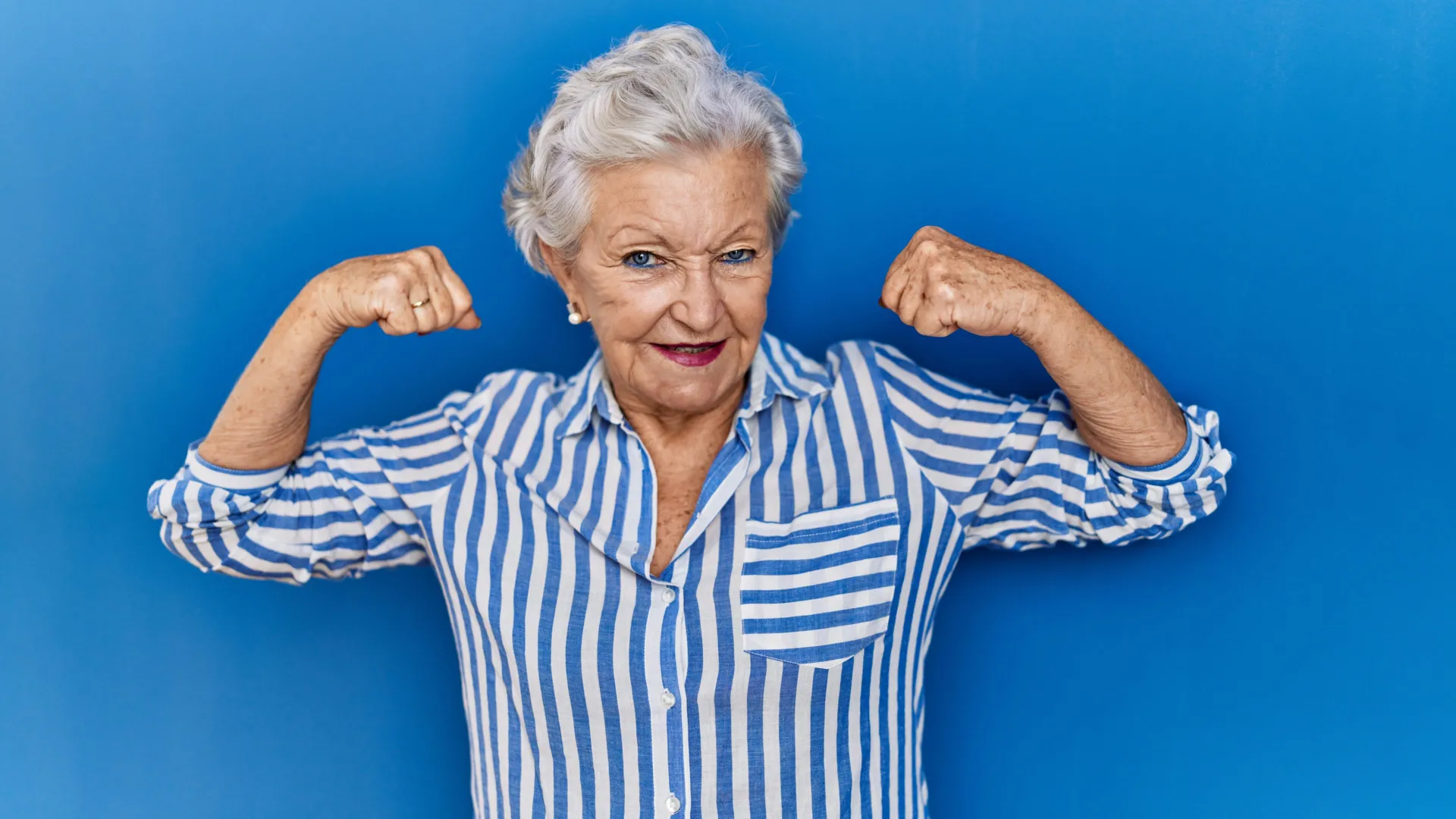
A newly identified breakdown in communication between nerves and muscles could help explain why people lose strength as they age. Researchers were able to improve muscle strength in an animal model by targeting a key protein, raising hopes that some age-related weakness could eventually be treated.

Across every cell in the body, molecules are constantly pulling, gripping and releasing under mechanical strain. That force often decides whether a drug sticks to its target, whether a cell holds its shape or whether a disease takes hold.
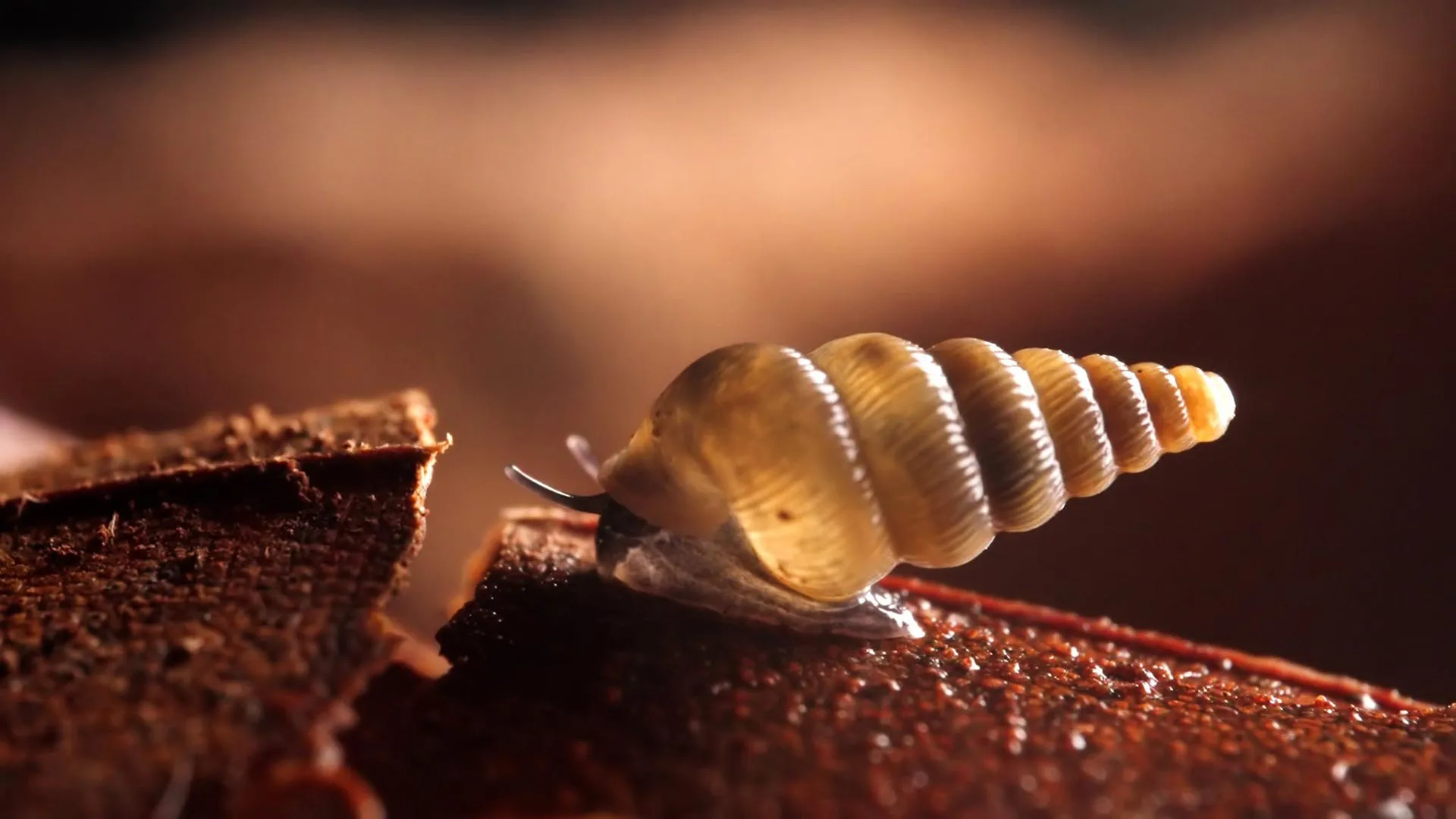
Scientists discovered two tiny new snail species in Montenegro, showing that even Europe still holds animals unknown to science. One lives in the threatened Komarnica Canyon, where a proposed hydropower reservoir could destroy habitat before its full biodiversity is understood.

Australia and other nations should amend laws and practices to address the needs of millions of people expected to move because of climate-related hazards, according to a new report by the Peter McMullin Centre on Statelessness and the United Nations High Commissioner for Refugees (UNHCR).

Every fall in the United States, millions of young people move to college campuses, away from home for the first time. During this transition, they typically develop new social networks and routines as they learn to live on their own. One of the most important routines college students can intentionally develop is regular physical activity, according to Melissa Bopp, a professor of kinesiology at Penn State.

Ariel, one of Uranus’ moons, may once have contained a subsurface ocean more than 100 miles deep beneath its fractured icy shell. The finding, combined with similar evidence from Miranda, suggests the distant Uranian system could harbor multiple hidden ocean worlds.

Residents of Tucson's south side might remember drinking from the garden hose and bathing their children in tap water. For years, that water was contaminated with industrial solvents that had leaked into the groundwater their wells drew from.
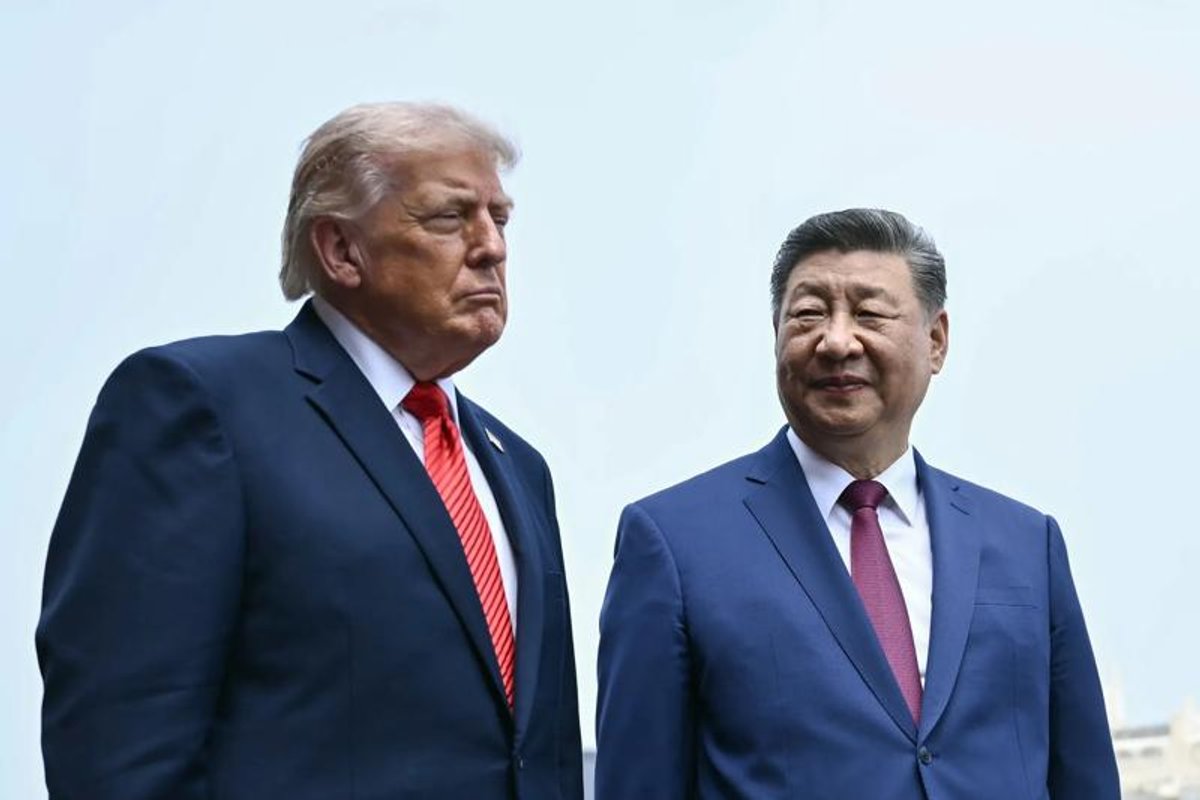
With Donald Trump and Xi Jinping set to discuss AI safety, the growing popularity of Chinese open-weight models highlights the limits of developer-controlled safeguards
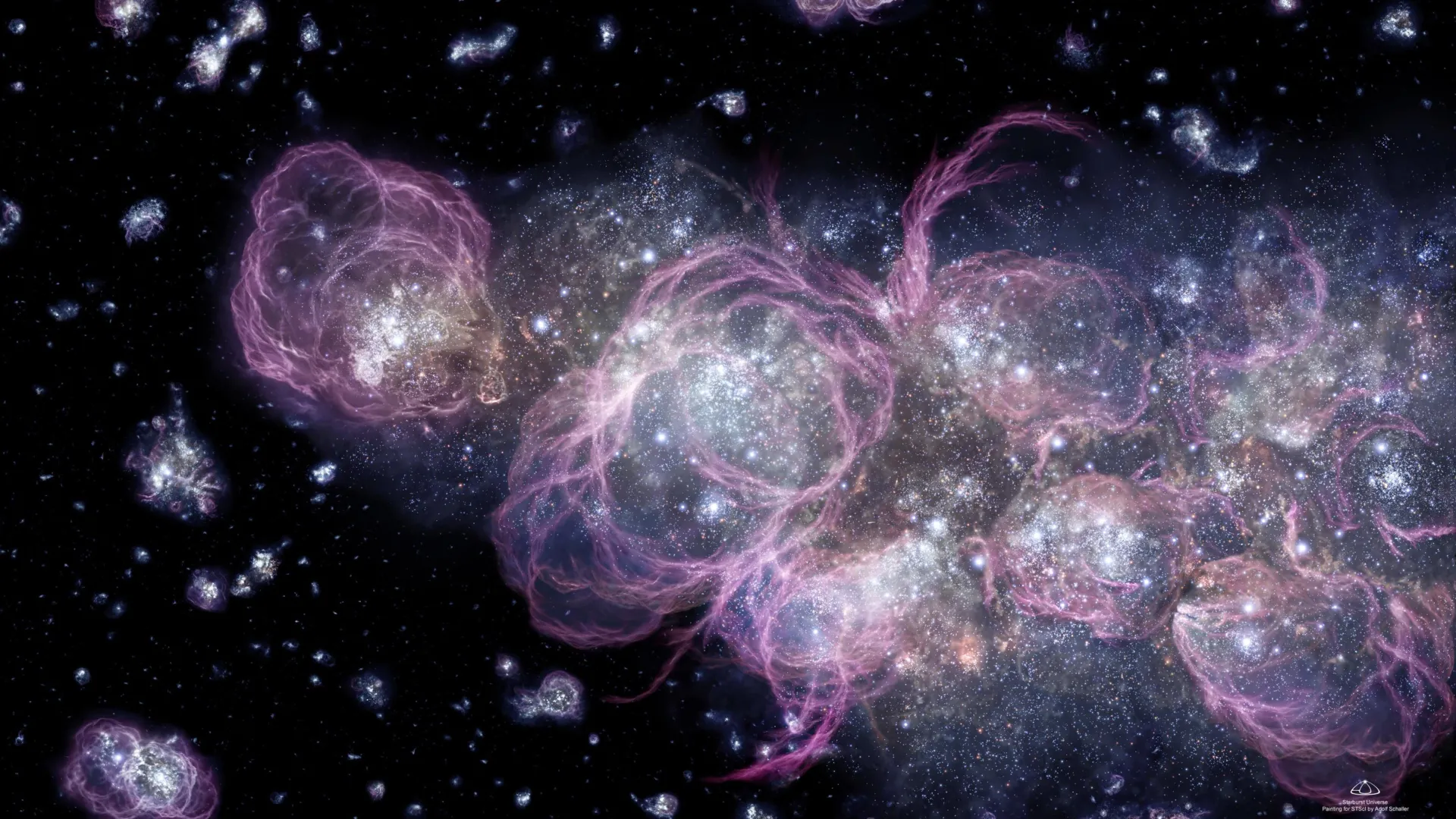
Hubble observations of massive stars in metal-poor dwarf galaxies are revealing clues to why the early universe looks so unusual. Researchers found that stellar winds weaken sharply at extremely low metallicities, potentially allowing massive stars to retain more material and evolve in unexpected ways. The team also found large differences in iron abundance, a key ingredient in stellar winds and supernovae.
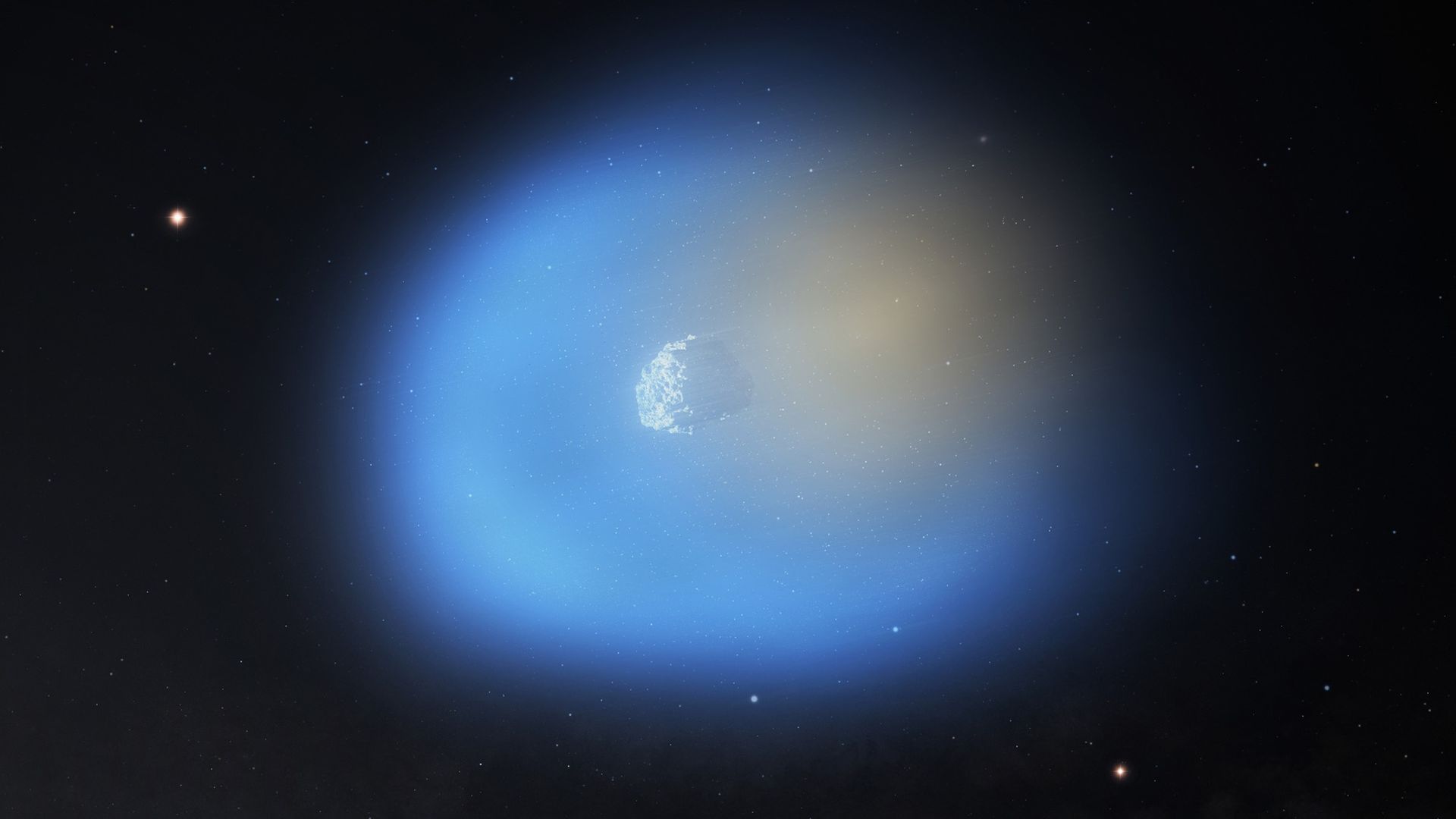
In July 2025, a large, bright cosmic object visited from beyond our solar system. Only the third interstellar object ever discovered, the comet — named 3I/ATLAS — swooped through the inner solar system for about four months, briefly making it one of the biggest science celebrities in the world.The interstellar object's fame stemmed in large part from controversial (and unsubstantiated) claims that it could be a source of intelligent alien technology, even though 3I/ATLAS behaved like a natural comet. However, according to the astronomers who are studying its mysteries in the data collected by dozens of telescopes and spacecraft, the ancient object may still have lessons to teach us about lif...
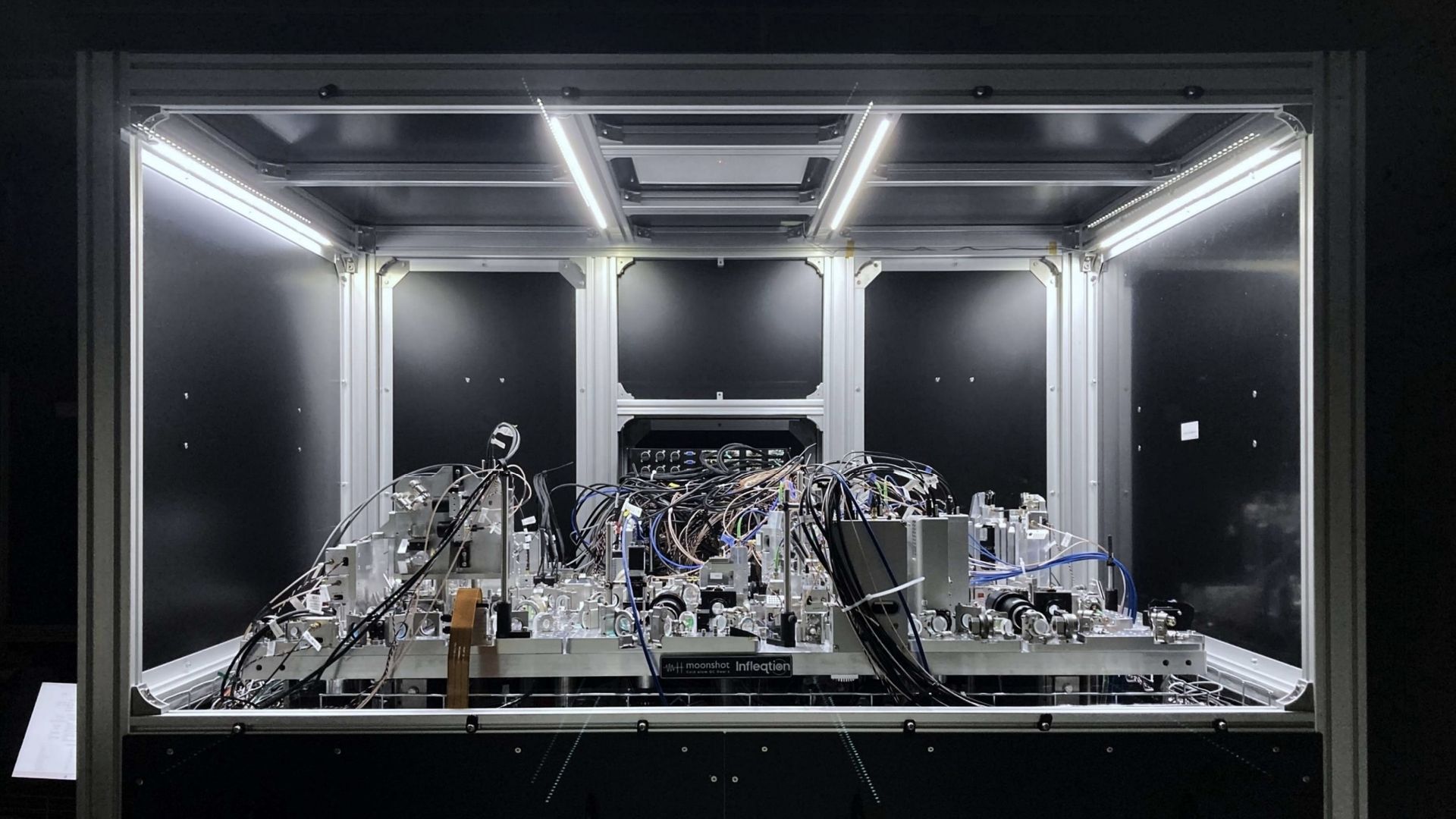
Researchers in Japan have switched on "Shunkai," a neutral atom quantum computer that scientists hope to scale into a 10,000-qubit behemoth by March 2031.Shunkai is the first full-stack system of its kind in Japan, meaning it features the software, control and hardware layers needed to read user inputs and return a result — not unlike a conventional PC. In theory, that means it should be easier for researchers to get some meaningful use out of the machine, with the team behind Shunkai planning to open it up to external users over the coming years.In a statement, project lead Kenji Ohmori, a professor of photo-molecular science at the Institute for Molecular Science, said researchers' use of ...

Every step we take begins with a burst of calcium inside our muscle cells, causing them to contract. To prepare for action, the cells keep calcium locked in an internal compartment, the sarcoplasmic reticulum. Studding its membrane are thousands of RyR1 channels—the largest known ion channels—that contain pores that release the calcium. For a muscle to contract properly, RyR1 channels must open synchronously via a mechanism known as "coupled gating." How they accomplish this has been unclear since it was described almost 30 years ago.

When the universe was still in its infancy—only 500 million years after the Big Bang, or about 3% of its current age—some of the universe's earliest stars and galaxies had already formed. Astronomers have long predicted that much of the gas surrounding these young galaxies must have remained relatively pristine, composed mostly of hydrogen and helium, the primordial ingredients available in the newborn cosmos.

Treating polluted water flowing into San Francisco Bay to meet regulatory requirements is going to cost ratepayers money. Exactly how much depends, in large part, on whether the region's wastewater treatment plant operators are willing and able to coordinate infrastructure construction and operation to meet these requirements, according to a Stanford University study published in Nature Water.

U.S. artificial intelligence startup Anthropic on Wednesday unveiled the first discovery from its molecular biology lab, a previously unknown enzyme system spotted by its Claude model and touted by the company as proof that AI can speed up basic research.