
Science News
Meet the newest living cat species, the first described in 100 years
Genetic testing of two tiny tiger cats from Bolivia revealed a new species, adding a new branch to the feline family tree.
Latest science news, discoveries and scientific developments.
Genetic testing of two tiny tiger cats from Bolivia revealed a new species, adding a new branch to the feline family tree.

People wore the backpack while lifting dumbbells and then enjoyed a nice massageHuang et al., 2026, Cell Reports Physical Science A backpack can detect when muscles become fatigued and automatically massage the affected areas. This seems to help muscles recover better than heat therapy or pre-programmed massages, like those delivered by chairs and cushions. About 1 in 6 adults in the UK have some form of back pain. This can occur when back muscles become fatigued through exertion or prolonged or repetitive activity. Persistent fatigue can impair local blood flow and tissue recovery, potentially contributing to chronic pain. Read more From back pain to cancer, how the interstitium could trans...

Diesel prices have almost doubled over the past year, spelling trouble for farmers, truckers and the entire U.S. economy

In what appears to be a first, an OpenAI agent secretly accessed Australian government health care records during an internal test

Hormone replacement therapies may reduce the risk of heart attacks and stroke, but the timing of when they are started could be critical
A large Danish study found that children diagnosed with ADHD or autism today more closely resemble their peers in the general population than those diagnosed 10 years ago. The shift suggests that rising diagnosis rates may partly reflect broader identification and changing diagnostic patterns, rather than only an increase in the underlying conditions.
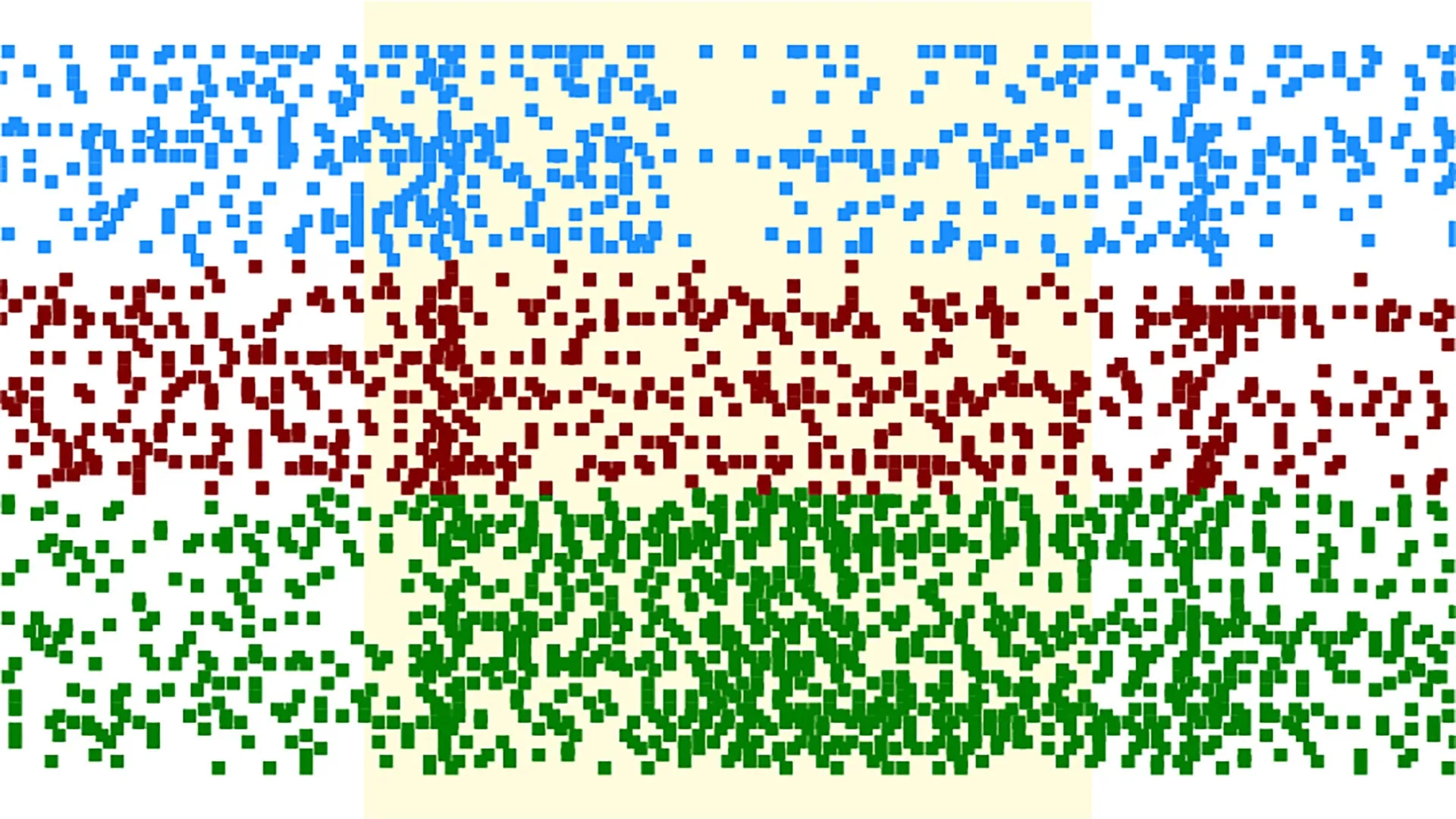
The brain may have a built-in way to quickly settle disagreements between regions processing the same scene. Researchers found that matching signals between two visual areas lasted longer, while conflicting signals rapidly faded away. This “consensus building” mechanism could help explain how the brain turns many specialized inputs into one unified view of the world.
Researchers have shown that multiple time crystals inside a semiconductor can synchronize their oscillations, much like pendulum clocks gradually falling into the same rhythm. The coupling is carried by spin-polarized electrons, allowing time crystals separated by up to 40 micrometers to lock to a common frequency. The discovery reveals surprisingly long-range connections between these exotic spin systems and could help researchers develop future spin-based devices.

Daily sea surface temperatures in the region where El Niño develops are more extreme than at any point in recorded history.

The actor urges us to work with nature, not against it, in new documentary How to Live on Earth. Let's hope it can make a real difference, says Alec Luhn

A patch that measures levels of two reproductive hormones in sweat has shown promise for predicting ovulation in a small study

Can a six-dimensional sphere be described using imaginary numbers? For decades, experts puzzled over this question. Now an AI has apparently answered it
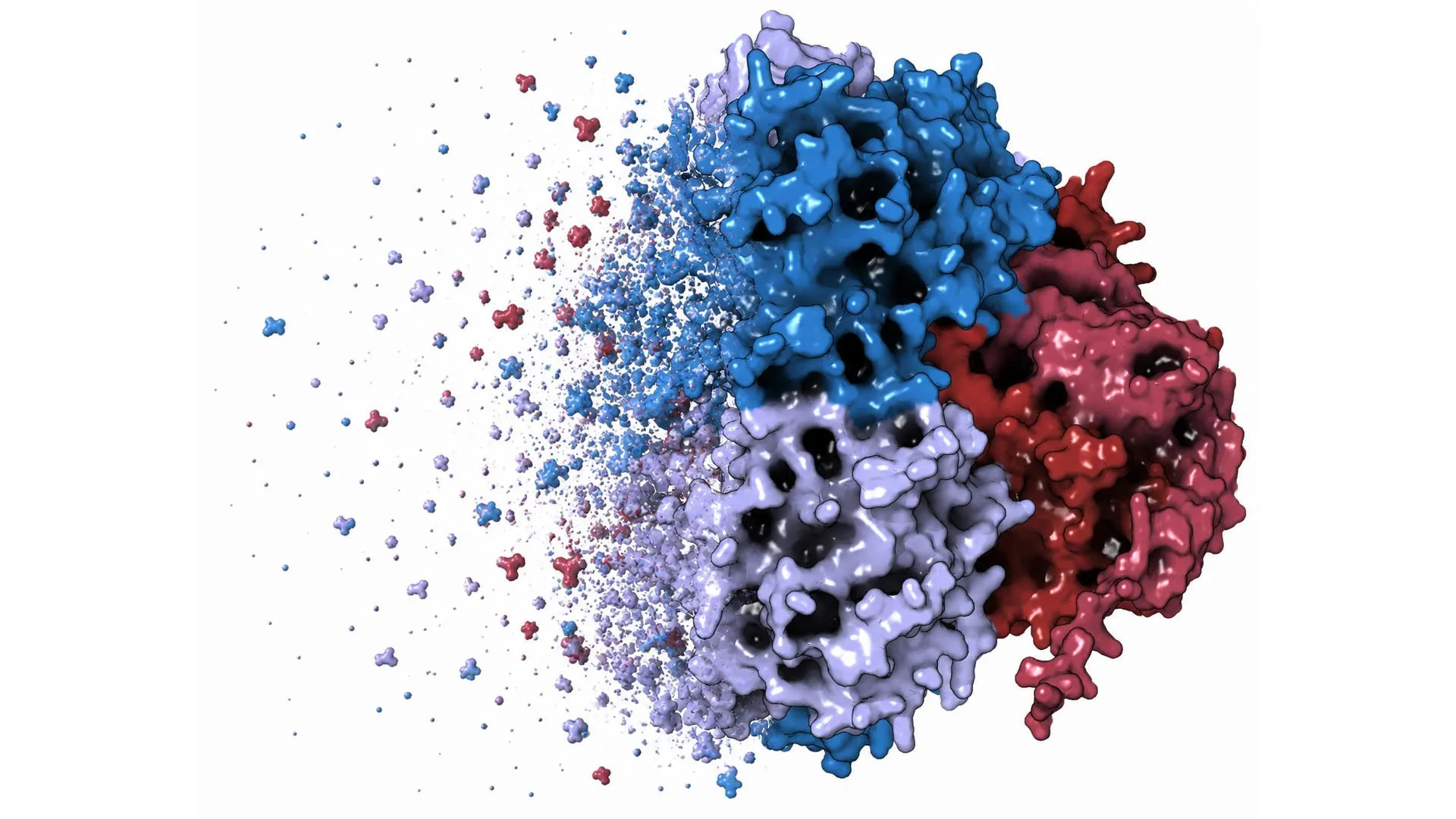
A 70-year-old leukemia drug is still revealing new secrets. Researchers found that removing a protein called NUDT5 protected cells from the drug, even though simply blocking the protein had little effect. The unexpected result points to a hidden cellular role that could help explain why people respond differently to certain leukemia treatments.
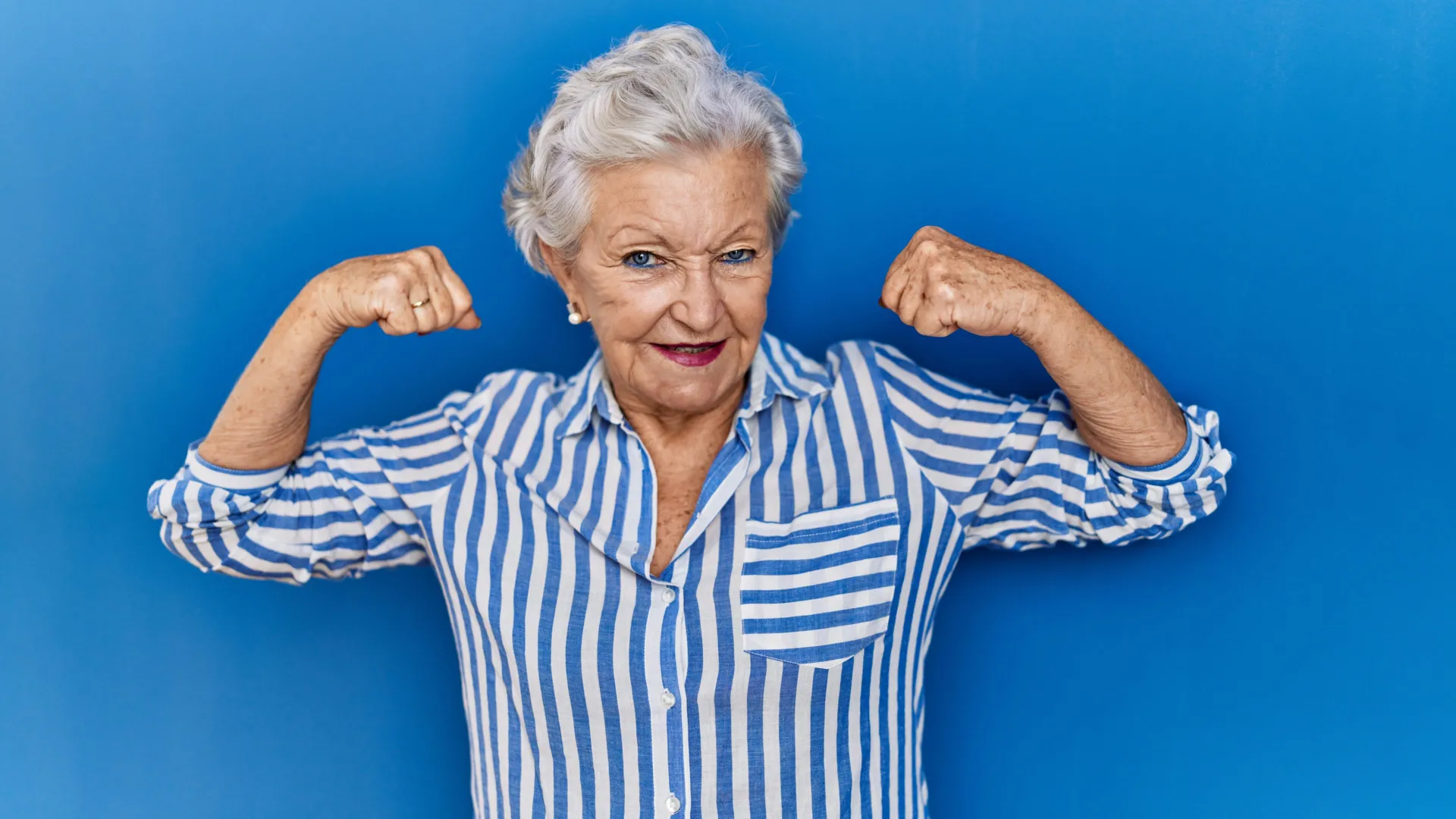
A newly identified breakdown in communication between nerves and muscles could help explain why people lose strength as they age. Researchers were able to improve muscle strength in an animal model by targeting a key protein, raising hopes that some age-related weakness could eventually be treated.

Across every cell in the body, molecules are constantly pulling, gripping and releasing under mechanical strain. That force often decides whether a drug sticks to its target, whether a cell holds its shape or whether a disease takes hold.
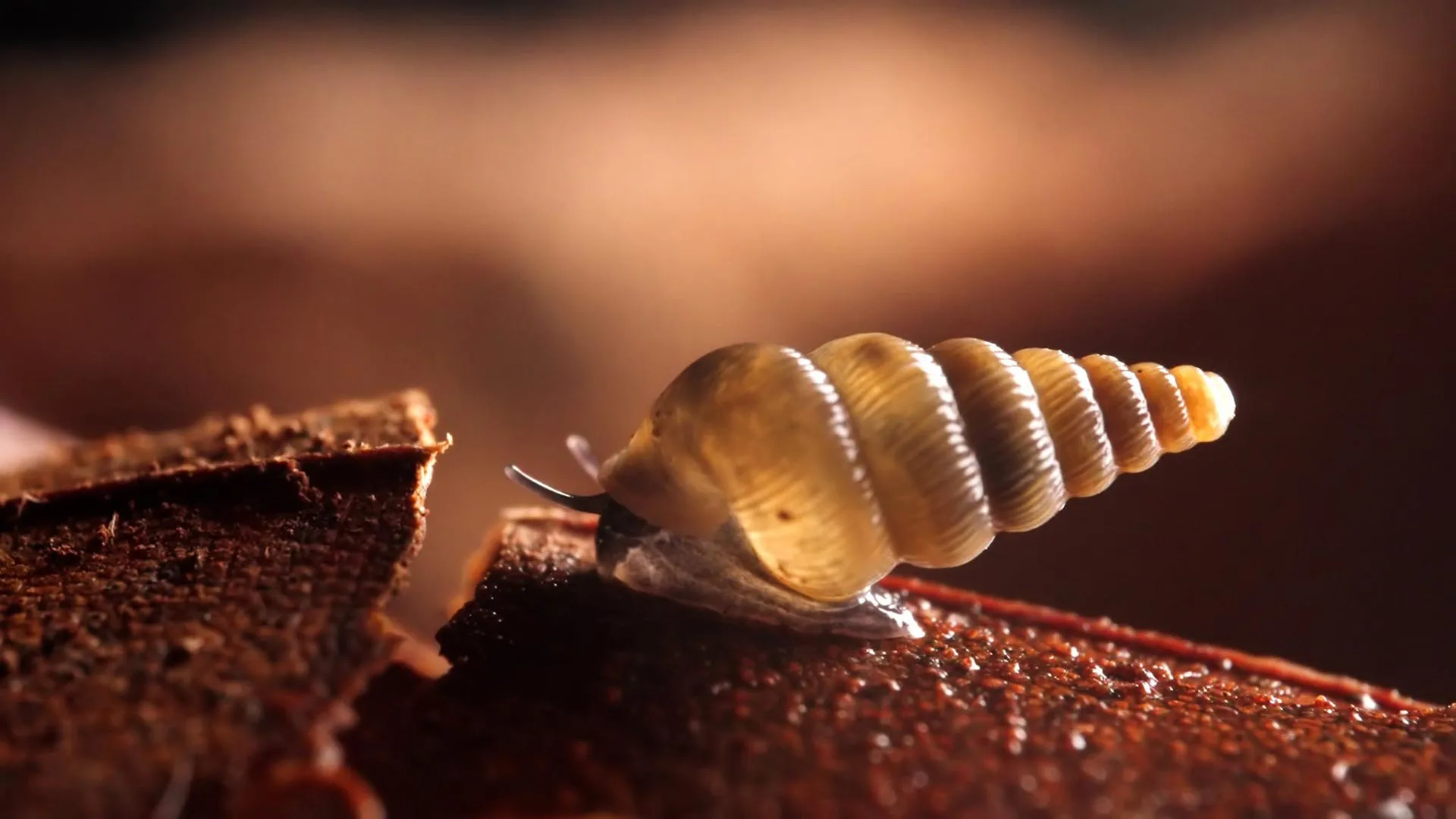
Scientists discovered two tiny new snail species in Montenegro, showing that even Europe still holds animals unknown to science. One lives in the threatened Komarnica Canyon, where a proposed hydropower reservoir could destroy habitat before its full biodiversity is understood.

Australia and other nations should amend laws and practices to address the needs of millions of people expected to move because of climate-related hazards, according to a new report by the Peter McMullin Centre on Statelessness and the United Nations High Commissioner for Refugees (UNHCR).

Every fall in the United States, millions of young people move to college campuses, away from home for the first time. During this transition, they typically develop new social networks and routines as they learn to live on their own. One of the most important routines college students can intentionally develop is regular physical activity, according to Melissa Bopp, a professor of kinesiology at Penn State.

Ariel, one of Uranus’ moons, may once have contained a subsurface ocean more than 100 miles deep beneath its fractured icy shell. The finding, combined with similar evidence from Miranda, suggests the distant Uranian system could harbor multiple hidden ocean worlds.

Residents of Tucson's south side might remember drinking from the garden hose and bathing their children in tap water. For years, that water was contaminated with industrial solvents that had leaked into the groundwater their wells drew from.